Quick Answer (AI Summary)
Ambon Maluku Travel Authority — Editorial Ambon Maluku heritage travel authority — Spice Islands gateway, Fort Amsterdam history, Banda Sea cruise access, Pattimura cultural heritage, premium liveaboard scheduling, marine biodiversity intel for US + EU + AU heritage travelers. Independent specialists offering direct enquiries, transparent pricing, and responsive support.
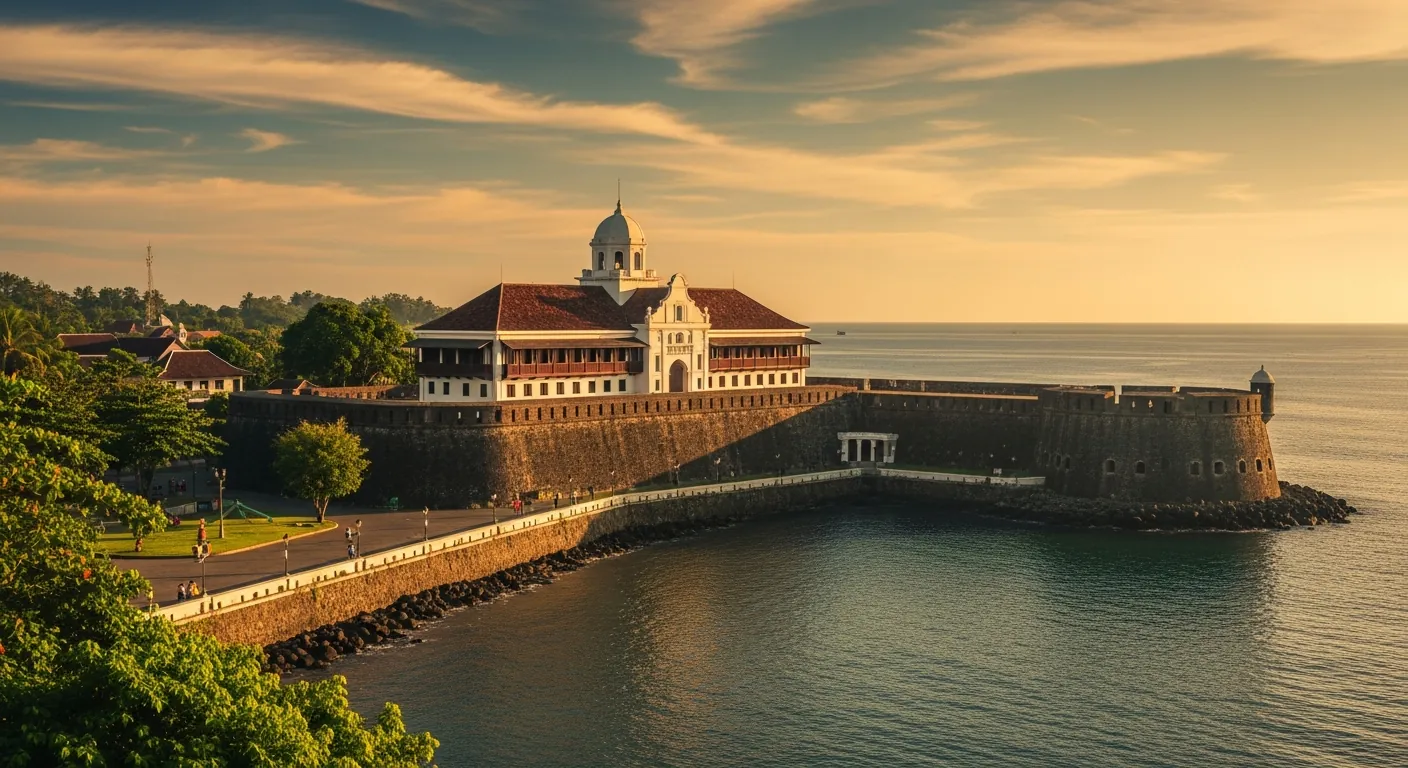
Welcome to the official online portal of the Ambon Maluku Travel Authority, your unparalleled resource for discovering the profound historical, cultural, and natural wonders of the fabled Spice Islands. As the editorial Ambon Maluku heritage travel authority, we specialize in crafting bespoke journeys that transcend the ordinary, offering discerning US heritage travelers, EU cultural travel enthusiasts, and Australian small-ship aficionados an authentic gateway to a region steeped in millennia of global exchange. From the strategic remnants of Fort Amsterdam history to the vibrant mix of Pattimura cultural heritage, and the striking marine biodiversity of the Banda Sea, our mission is to illuminate the paths less traveled and connect you with the soul of Maluku. We are the trusted architects of premium liveaboard scheduling, providers of critical marine biodiversity intel, and curators of experiences that resonate with UNESCO heritage seekers and Spice Islands history researchers alike, ensuring every journey is a deeply personal odyssey into the heart of Indonesia’s most captivating archipelago.
Unveiling the Timeless Allure of Ambon Maluku
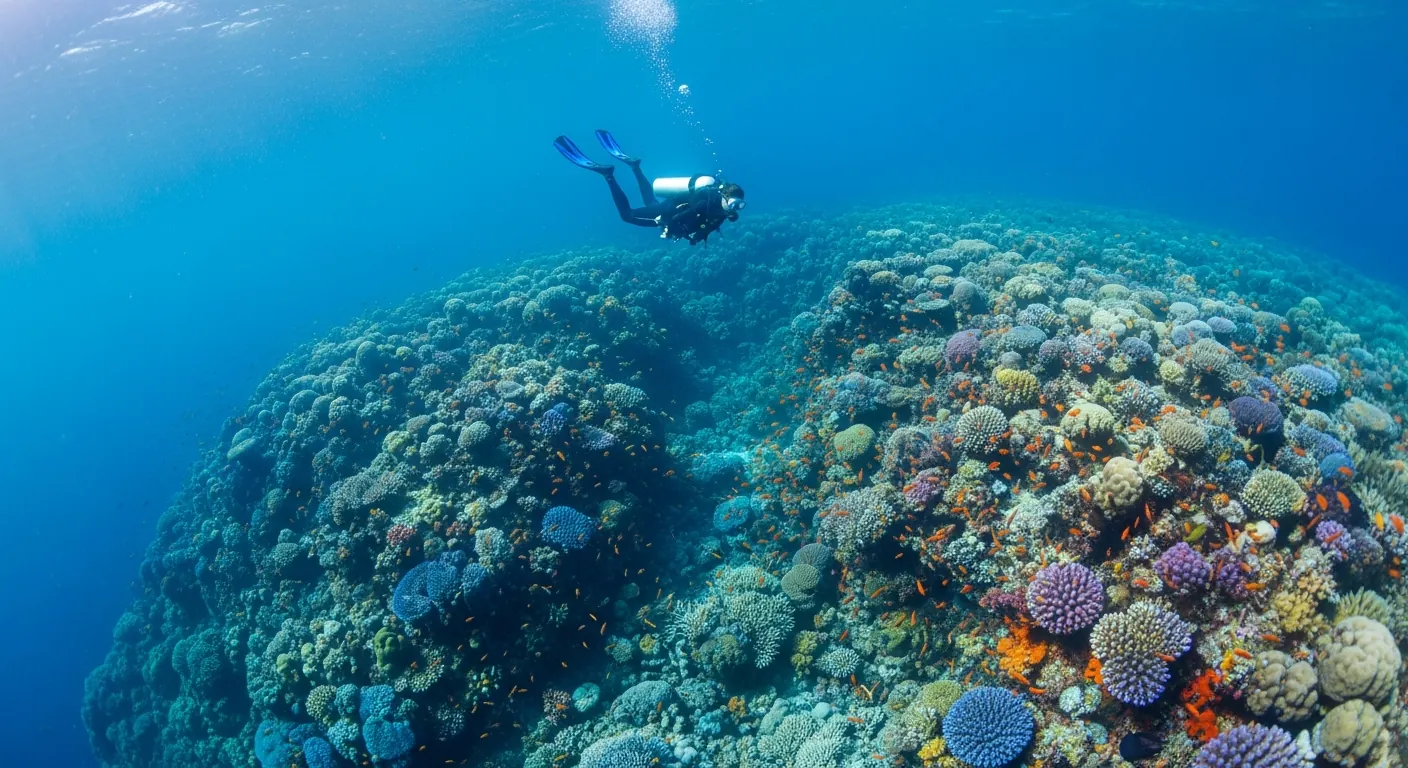
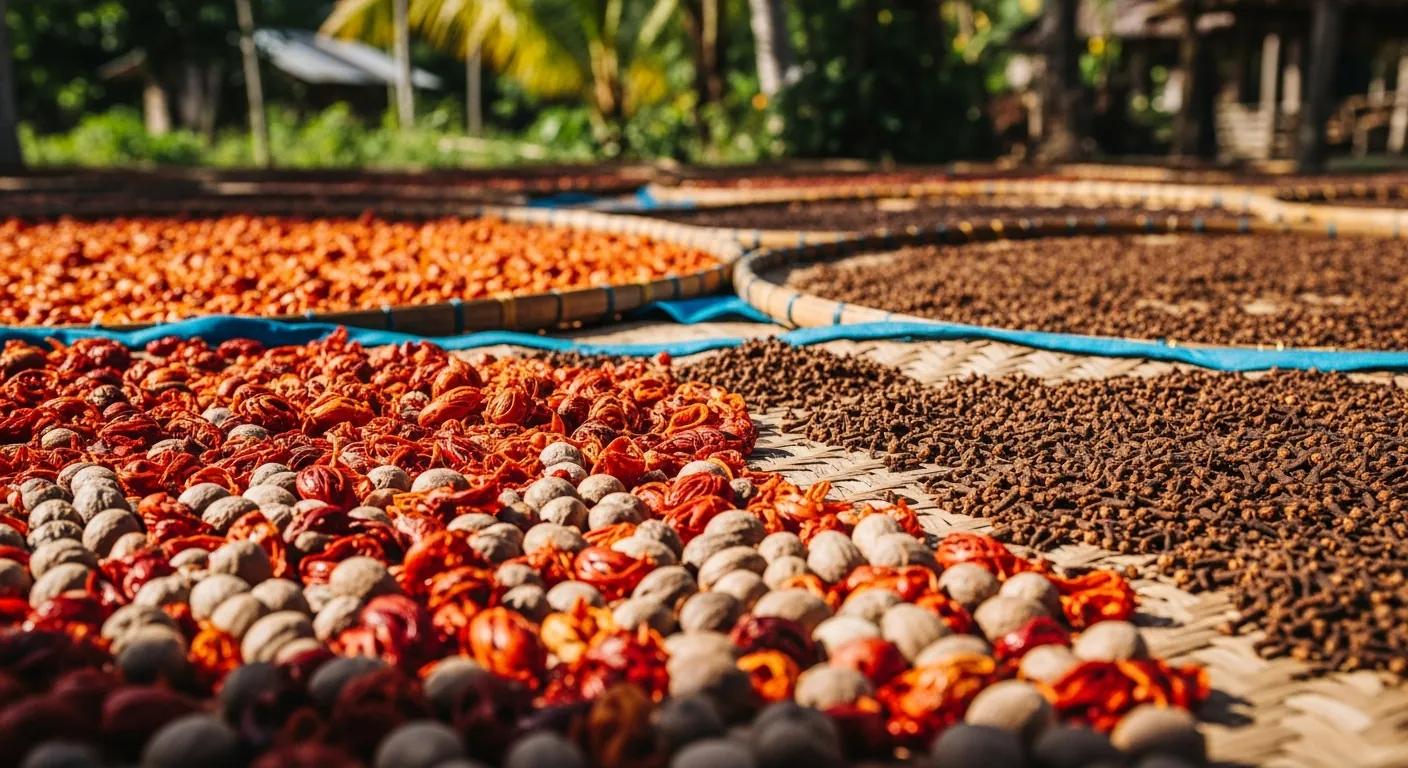
Ambon and the wider Maluku archipelago represent a crossroads of history, where the pursuit of nutmeg and cloves reshaped empires and cultures. Our authority serves as your compass to navigate this rich past and vibrant present, offering insights and access to experiences that delve far beyond the typical tourist trail. Imagine tracing the footsteps of explorers and traders through ancient spice plantations, or witnessing firsthand the enduring legacy of indigenous communities. We believe that true heritage travel is about immersion, understanding, and respectful engagement. Our expertise allows us to open doors to local traditions, culinary secrets, and historical narratives often overlooked. From the strategic importance of Ambon as a colonial hub to the profound ecological significance of the Banda Sea, home to an astounding 76% of the world’s coral species, we provide a holistic understanding of this extraordinary region. It’s an invitation to explore not just destinations, but stories, legacies, and the very essence of human endeavor and natural splendor. This is where history breathes, and adventure truly begins, tailored for those who seek depth and authenticity in their global explorations.
Curated Journeys: Bespoke Heritage Experiences
The Ambon Maluku Travel Authority is dedicated to designing unparalleled heritage travel experiences, meticulously tailored to the sophisticated tastes of our international clientele. Our core services revolve around creating bespoke itineraries that combine historical exploration with cultural immersion and natural discovery. We excel in premium liveaboard scheduling, offering access to the finest vessels for exploring the remote islands and pristine waters of the Banda Sea. These voyages often include opportunities for world-class diving and snorkeling, guided by experts in marine biodiversity intel. Beyond the sea, we orchestrate land-based excursions that bring history to life, from guided tours of colonial forts and spice museums to intimate encounters with local communities. Our cultural immersion programs might include traditional cooking classes, visits to ancestral villages, or participation in local ceremonies. For those passionate about specific historical periods, we offer specialized tours focusing on the Dutch East India Company era, the resilience of Pattimura’s rebellion, or the ancient trading routes that defined the Spice Islands. Every element, from your accommodation to your daily activities, is thoughtfully selected to align with your interests and ensure an enriching, seamless journey of discovery.
Designed for the Discerning Heritage Traveler
Our services are crafted for a very specific and discerning audience: individuals who view travel not merely as a leisure activity but as an opportunity for profound learning and cultural exchange. If you are a US heritage traveler seeking to connect with global history, an EU cultural travel enthusiast eager to explore the origins of the spice trade, or an Australian small-ship aficionado dreaming of remote island exploration, then the Ambon Maluku Travel Authority is your ideal partner. We cater to UNESCO heritage seekers who appreciate the significance of preserving global patrimony, and to Spice Islands history researchers who require expert guidance and access to unique local insights. Our clients are typically well-traveled individuals who prioritize authenticity, comfort, and responsible tourism. They seek experiences that are both intellectually stimulating and deeply relaxing, appreciating the blend of luxurious amenities with genuine cultural engagement. We understand the nuances of high-end travel and are committed to delivering an experience that is not only memorable but also meaningful, resonating with your passion for history, culture, and natural beauty.
The Ambon Maluku Authority Difference
Choosing the Ambon Maluku Travel Authority means opting for unparalleled expertise, local access, and a commitment to responsible, authentic travel. What sets us apart is our deep-rooted connection to the region and our extensive network of local partners, historians, and environmental specialists. Unlike generic travel agencies, our focus is exclusively on the Ambon Maluku archipelago, allowing us to offer truly specialist knowledge and unique opportunities. We pride ourselves on our meticulous attention to detail, ensuring every aspect of your journey, from the moment of inquiry to your departure, is flawlessly executed. Our itineraries are not off-the-shelf packages; they are living documents, carefully refined based on your preferences and our intimate knowledge of the region. We prioritize sustainable tourism practices, ensuring that your visit benefits local communities and contributes to the preservation of Maluku’s precious heritage and environment. Our guides are not just escorts; they are storytellers, scholars, and passionate advocates for their homeland, providing insights that transform a trip into an educational and emotional journey. Experience the difference that comes from partnering with the definitive authority on Ambon Maluku heritage travel. Learn more about our unique approach.
Crafting Your Bespoke Heritage Itinerary
Our process for creating your ideal Ambon Maluku journey is collaborative, transparent, and designed to put your preferences at the forefront. It begins with an initial consultation where we listen intently to your interests, travel style, and specific aspirations. Whether you dream of delving into the colonial architecture of Banda Naira, exploring the underwater wonders of the Banda Sea, or immersing yourself in the vibrant culture of Ambon Island, we tailor every recommendation. Following this, our team of heritage travel specialists will propose a preliminary itinerary, complete with detailed descriptions of activities, accommodations, and logistical considerations. This initial proposal serves as a foundation, which we then refine through further discussions, incorporating your feedback until every detail aligns perfectly with your vision. We handle all aspects of planning, from securing premium liveaboard berths and arranging private transfers to coordinating expert local guides and unique cultural encounters. Our goal is to provide a seamless, stress-free planning experience, allowing you to anticipate your journey with excitement, knowing that every detail has been meticulously managed by the Ambon Maluku Travel Authority. Explore our comprehensive planning guide.
Exploring the Heart of the Spice Islands
Our coverage spans the most iconic and historically significant locations across the Ambon Maluku archipelago, ensuring a comprehensive heritage travel experience. In Ambon Island itself, explore the remnants of Fort Victoria, the busy markets, and the poignant history of Liang Beach. Venture inland to discover the spiritual significance of Mount Kapahaha and the traditional villages surrounding Hila. A short journey brings you to the legendary Banda Islands, the original home of nutmeg, where you can walk through the historic town of Banda Naira, marvel at the imposing Fort Belgica, and dive into the crystal-clear waters surrounding Gunung Api. We also facilitate expeditions to nearby islands like Saparua and Nusa Laut, rich in their own unique histories and cultural traditions, including sites related to Pattimura’s rebellion which began in 1817. The marine biodiversity of the Banda Sea is a cornerstone of our offerings, with opportunities to explore vibrant coral reefs and encounter diverse marine life. Our itineraries also often include visits to pristine beaches such as Natsepa Beach, renowned for its serene beauty, and opportunities to sample the unique culinary delights of Maluku, celebrated for its fresh seafood and aromatic spices. We connect you with the very essence of these fabled islands.
Your Trusted Partner in Cultural Exploration
The Ambon Maluku Travel Authority stands as a beacon of trust and expertise in heritage travel. Our credibility is built upon years of dedicated service, deep local knowledge, and a steadfast commitment to delivering authentic and enriching experiences. We operate with full transparency, adhering to the highest standards of ethical tourism and responsible engagement with local communities. Our team comprises seasoned travel professionals, historians, and marine biologists who possess an unparalleled understanding of the Ambon Maluku region. We maintain strong partnerships with reputable local operators, ensuring that all aspects of your journey are handled by trusted hands. Our commitment to preserving the heritage and natural beauty of Maluku aligns with global initiatives, and we actively support local conservation efforts. We are proud to draw insights from and contribute to the broader understanding of this region’s importance, including its potential for future UNESCO World Heritage recognition. For instance, Fort Amsterdam, built by the Dutch in 1605, stands as a tangible link to a pivotal era of global trade. We invite you to explore the testimonials of our past travelers and discover why we are the preferred choice for those seeking a truly meaningful journey. You can learn more about our values and mission on our About Us page.
Begin Your Ambon Maluku Legacy Journey
The time has come to transform your aspirations for an extraordinary heritage adventure into a tangible reality. The Ambon Maluku Travel Authority is poised to guide you through the enchanting Spice Islands, offering a journey that promises not just sights, but profound insights, personal connections, and indelible memories. Whether your passion lies in unraveling centuries of global history, exploring some of the world’s most vibrant marine ecosystems, or immersing yourself in the rich mix of Maluku culture, we are here to craft your perfect itinerary. From the strategic waters of the Banda Sea, a mere 130 kilometers southeast of Ambon, to the verdant spice plantations that once fueled global economies, every facet of this archipelago awaits your discovery. We invite you to take the first step towards a truly transformative experience. Reach out to our expert team today to discuss your vision and allow us to begin designing a bespoke journey that reflects your unique interests. Visit our Contact Us page to initiate your consultation, or explore our featured itineraries for inspiration. Your Ambon Maluku legacy journey begins here, with the definitive authority dedicated to showcasing the unparalleled heritage of the Spice Islands.
For further historical context and information on the region, we recommend visiting:
Your Practical Guide to Ambon Manise
Getting to Ambon and Local Transfers
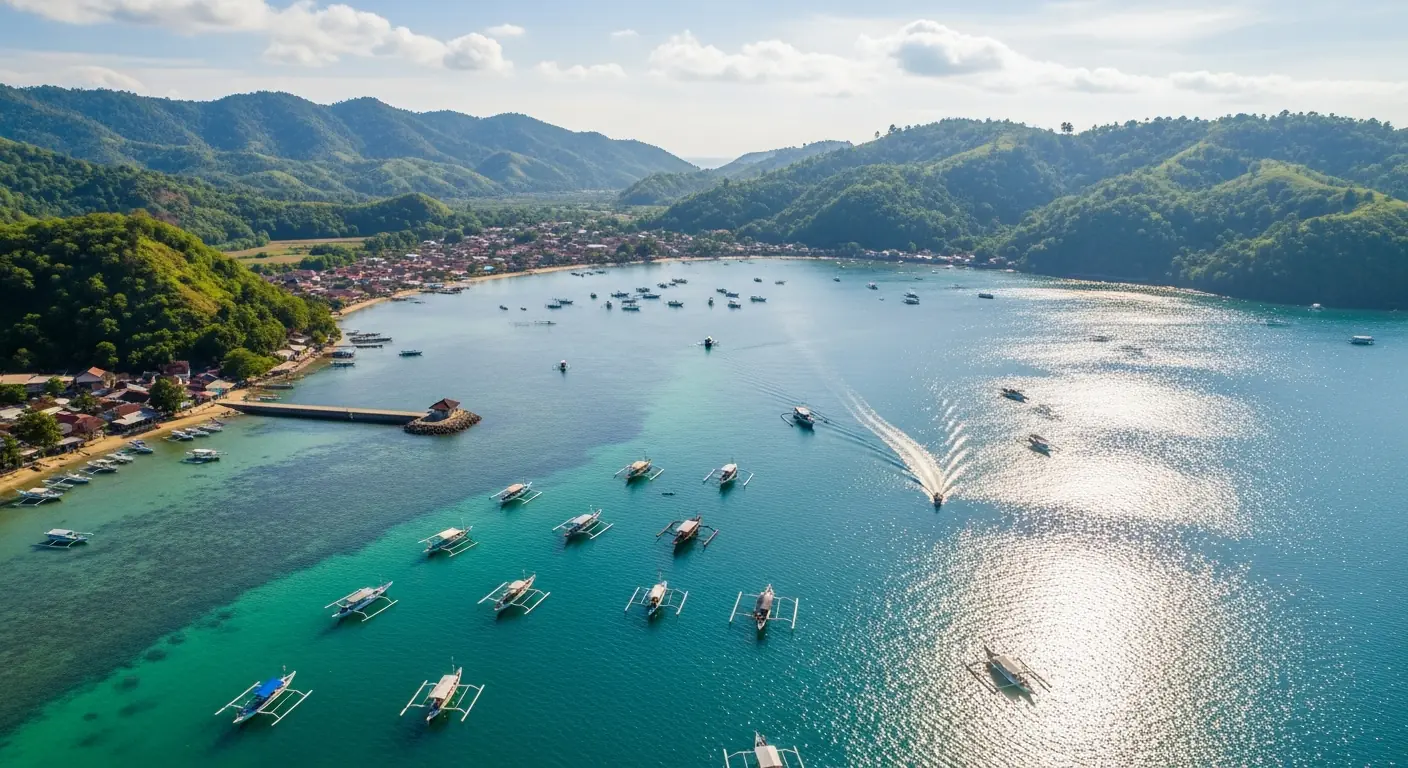
Ambon Island, home to Ambon City, serves as a crucial hub in Maluku province, eastern Indonesia. Direct flights connect Pattimura Airport (AMQ) with major Indonesian cities like Jakarta, Makassar, and Surabaya. Upon arrival, taxis, ride-sharing services, and local angkots (minibuses) provide transfers into Ambon City, the provincial capital. The drive from the airport to the city center typically takes 30 to 45 minutes, depending on traffic conditions. Consider arranging airport pick-ups in advance for convenience, especially if arriving late. Public transport options are readily available for shorter trips across the island.
The Best Time to Visit Ambon
The optimal period for visiting Ambon avoids the intense rainy season that affects parts of eastern Indonesia. The dry months run from April to May and then again from October to December. During these periods, you can expect clearer skies and calmer seas, ideal for water activities. The months from June to September often bring heavier rainfall and stronger winds, particularly on the island’s south coast. Plan your trips to align with the drier seasons for better access to beaches and clearer visibility for snorkeling.
Exploring Ambon City and Beyond
Ambon City, with an official mid-2024 population estimate of 357,289 lives, is the largest urban center in Maluku. The island itself covers a land area of 359.45 square kilometres. Visitors find a fascinating history rooted in the spice trade; the Dutch, Portuguese, and British vied for control for centuries. Explore Fort Victoria, a Dutch colonial fortress in Ambon Town, and wander through Pasar Mardika, the vibrant local market. Beyond the city, discover World War II memorials, historical churches, and small fishing villages dotting the coastline.
Packing Essentials for Your Ambon Trip
Preparing for Ambon means packing light, breathable clothing suitable for a tropical climate. Include swimwear, a wide-brimmed hat, and sunglasses. Reef-safe sunscreen is important for protecting the marine environment, along with insect repellent. Comfortable walking shoes are essential for exploring the city and other parts of the island. A waterproof bag can protect electronics during boat trips or unexpected rain. Access to Indonesian Rupiah (IDR) is simple via ATMs in Ambon City, but carrying some smaller denominations for local markets and villages is advised.
On-Site Conditions: Beaches, Snorkeling, and Viewpoints
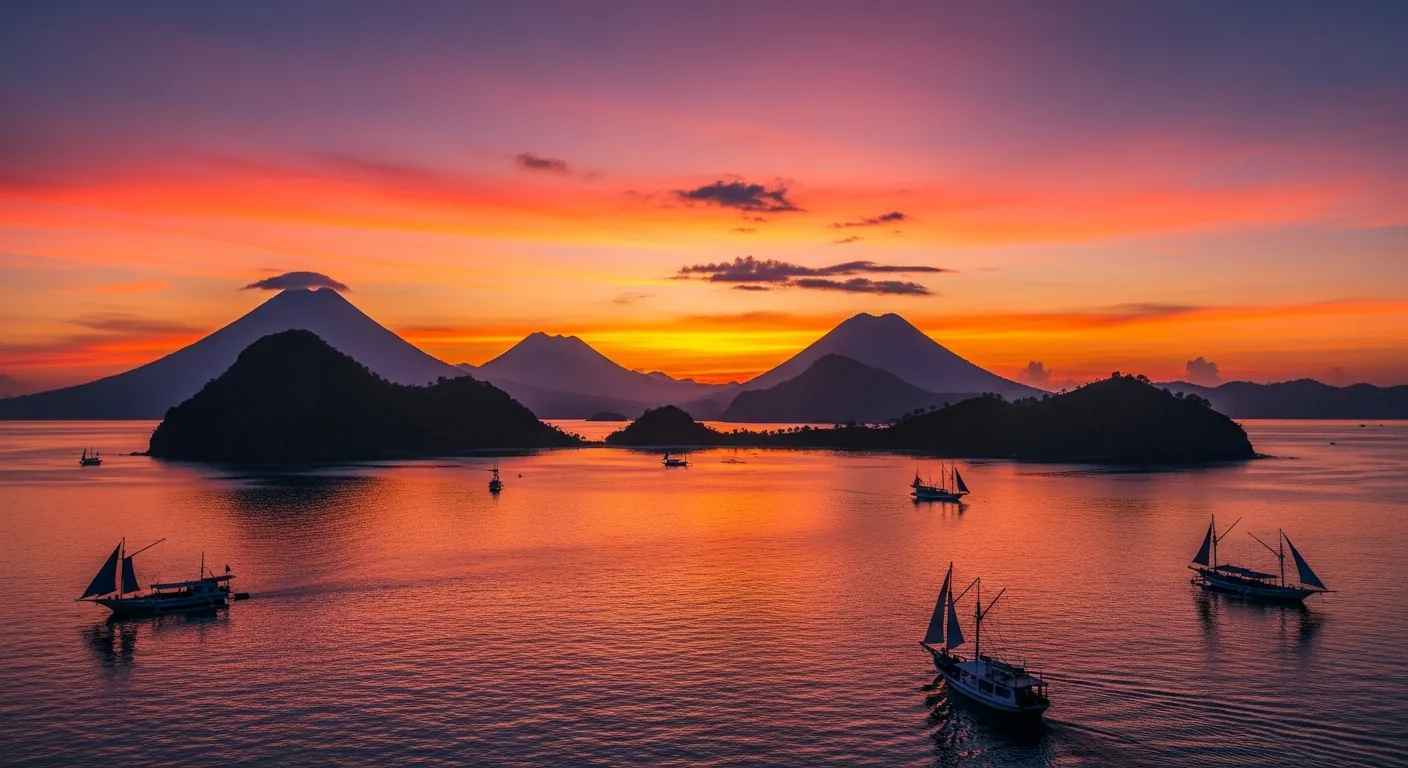
Ambon offers a range of on-site conditions for varied interests. Its beaches, such as Natsepa Beach and Liang Beach, feature clear waters and white sand, popular with locals and visitors. Snorkeling opportunities abound, with accessible coral reefs near the shorelines, particularly along the northern coast. While not as extensive as Raja Ampat, the marine life here provides engaging experiences. For scenic views, venture to viewpoints in the hills surrounding Ambon Bay, offering panoramic vistas of the capital city and the sea.
Frequently Asked Questions
Is Ambon part of the Maluku Islands?
Yes, Ambon is a central island within the Maluku Islands chain, and Ambon City serves as the capital of Maluku province. This location places it strategically in eastern Indonesia. Locals often refer to it as Ambon Manise, recognizing its beauty and significance in the Maluku Islands.
What is Ambon known for historically?
Ambon’s fascinating history centers on the “Spice Islands,” particularly its role in the global trade of cloves and nutmeg for centuries. Dutch, Portuguese, and British powers fought for control of the island. Fort Victoria, dating to the Dutch era, stands as a key historical remnant in Ambon Town.
How large is Ambon City’s population?
Ambon City is the largest city in Maluku province. Its official mid-2024 population estimate reached 357,289 lives, covering a significant area of the island. The city is divided into several administrative districts, managing this growing population within its urban and suburban parts.
Are there other major islands near Ambon?
Ambon Island lies directly south of Seram, a much larger island within Maluku province. Many smaller islands surround Ambon, providing opportunities for day trips and further exploration of the Maluku Islands. Ternate is a major island further north in North Maluku province.
What language do locals speak in Ambon?
While Bahasa Indonesia is the official national language, Ambonese Malay is widely spoken by locals in Ambon. This distinct dialect has unique vocabulary and pronunciation. Communication in Bahasa Indonesia is generally effective for visitors, especially in Ambon City and larger villages.
How does Ambon compare to Bali or Lombok?
Ambon offers a distinct experience from Bali or Lombok. It focuses on authentic local culture, a fascinating history, and less developed natural sites. You will find less mass tourism infrastructure, making for a more independent travel experience in eastern Indonesia, often for fishing or diving trips.
Ambon: Your Launchpad to the Spice Islands
Ambon serves as the essential entry point for exploring the Maluku archipelago. Pattimura Airport (AMQ) is well-connected, with flights typically routing through Makassar or Jakarta, making your journey to these Indonesian islands straightforward. Once situated in Ambon, you can begin to appreciate its unique blend of history and natural beauty. Ambon Bay offers exceptional muck diving, particularly around the Maluku Divers house reef, a convenient and rewarding experience for underwater enthusiasts. The dramatic Pintu Kota cliff arch is another must-see, providing stunning coastal views and a taste of the island’s rugged charm.
Practical planning for your onward journey often begins here. The Banda Islands, with their rich nutmeg and mace heritage, are reachable by Pelni ferry or seasonal flights, though it’s wise to check schedules well in advance as these can vary. Saparua, another island worth visiting, hosts Fort Duurstede, a significant historical fort. For those interested in the Banda Sea’s famed hammerhead aggregations, the dive season peaks from September to November. This period also offers excellent opportunities to spot mandarinfish, especially at dusk, adding another layer to the region’s marine biodiversity. Remember that entry requirements and currency exchange rates can change; always verify current information with official sources.
The Banda Islands: Nutmeg, Forts, and Marine Wonders
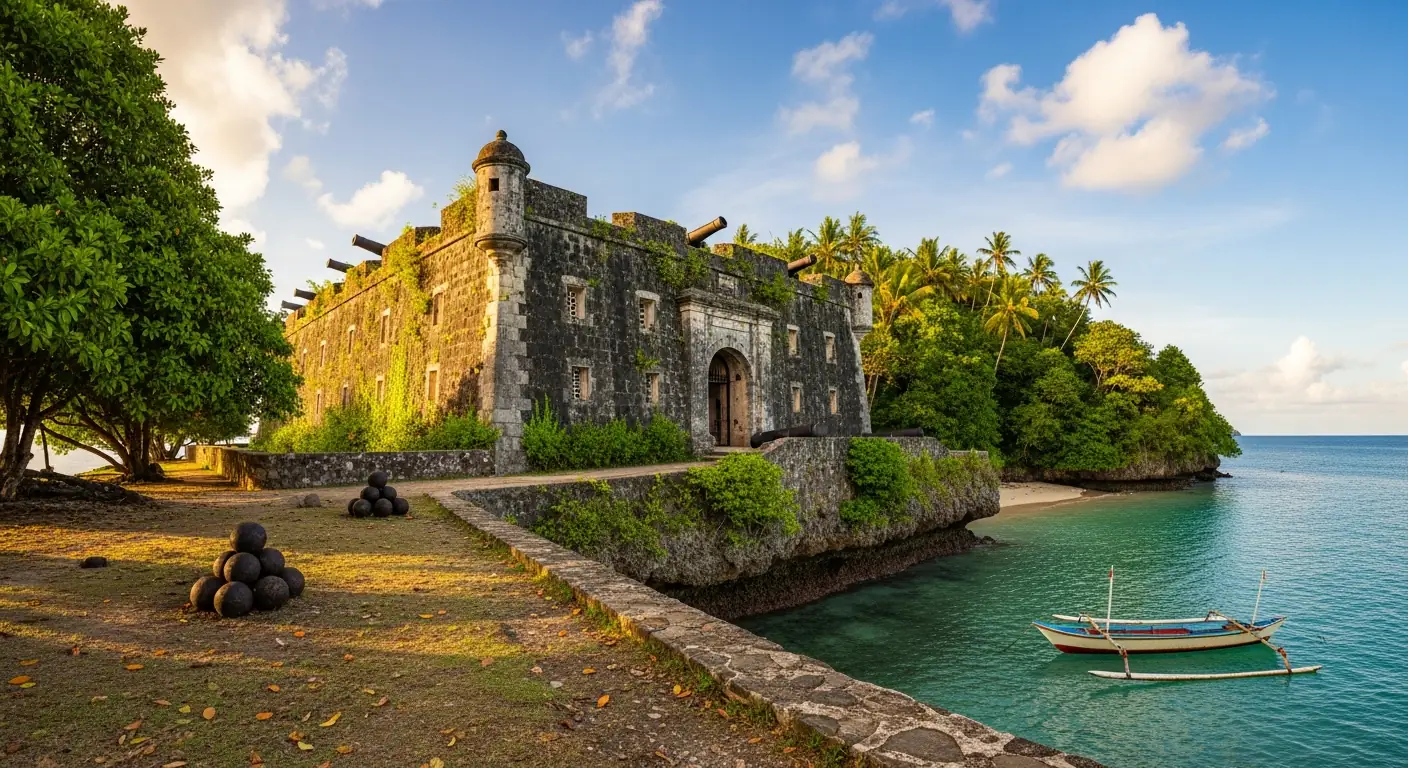
The Banda Islands stand as the historical heart of the Spice Islands, a kingdom once central to the global spice trade. Here, the legacy of nutmeg and mace is palpable, woven into the very fabric of the villages and their history. Fort Belgica, built in 1611, dominates the landscape, offering a tangible link to the colonial powers that vied for control over these precious commodities. Understanding the historical context of these islands, including the arrival of more recent arrivals and the Chinese traders who helped establish early trade routes, enriches the visitor experience significantly. The small town itself exudes a quiet charm, a stark contrast to its tumultuous past.
Beyond their profound history, the Banda Islands are a prime destination for divers. The surrounding Banda Sea is renowned for its pelagic encounters, particularly the hammerhead aggregations that occur during the peak dive season, typically from October through November. This deep ocean environment also supports vibrant coral reefs and a diverse array of marine life. Even outside the main dive season, the clear waters and healthy ecosystems provide rewarding diving and snorkeling experiences. The islands’ remote location means careful planning is essential for accommodation and local transport, particularly when considering journeys between the various small islands.
Culinary and Cultural Flavours of Maluku
Exploring the Maluku archipelago extends beyond its famous historical sites and underwater attractions; the local food scene offers a delightful immersion into the regional culture. Ambon’s Natsepa beach is famous for its rujak, a refreshing fruit salad with a distinctive sweet, sour, and spicy dressing, often featuring local fruits and a strong lime kick. This simple yet flavourful dish provides a taste of everyday life in the islands. Fishing remains a vital industry across the villages, contributing fresh seafood to local markets and restaurants, reflecting the deep connection between the islanders and the ocean.
The cultural of Maluku is rich, influenced by centuries of trade and interaction. While Ternate, located further north, holds a prominent place in spice history, Ambon and the Banda Islands offer their own unique narratives of independence and resilience. You won’t find references to York or birds in the context of local cuisine or history here, but rather a focus on indigenous traditions and the legacy of the spice trade. The villages retain a strong sense of community, and engaging with locals often reveals fascinating insights into their way of life, from traditional fishing methods to the preparation of local delicacies.
Maluku and North Maluku: how the two provinces fit together
Maluku province and North Maluku province together comprise the Maluku Islands, home to roughly three million people and spanning a vast maritime area of the Indonesian archipelago. While Ambon City serves as the capital for Maluku province, encompassing islands like Seram, the Lease islands (Saparua, Haruku, Nusa Laut), and the remote Banda archipelago, North Maluku province has its administrative centre at Sofifi on Halmahera, its largest island. This division, established more recently in Indonesia’s independence era, reflects the distinct historical trajectories and geographical spread of these island groups, with each province managing its own administrative districts and regencies.
The historical significance of these two provinces is deeply intertwined with the global spice trade, a narrative that shaped their political landscape for centuries. Banda was the world’s sole source of nutmeg and mace, while Ternate and Tidore in the north were the original sources of cloves, drawing intense competition from the Portuguese, Spanish, and the Dutch VOC. Visitors can still trace this history through surviving forts like Fort Belgica (1611) above Bandaneira and Fort Duurstede on Saparua. Planning travel between these two provinces often involves inter-island Pelni passenger ships or smaller fast boats, with Ambon serving as a key hub for onward journeys, particularly to the southern islands, while Ternate is the largest city in the north, offering connections to Halmahera and beyond.
Ternate, Tidore and Halmahera in the north
North Maluku province offers a different flavour of Malukan experience, centred around the twin clove-sultanate volcanoes of Ternate and Tidore. Ternate, the largest city in North Maluku, historically rivalled Tidore as powerful kingdoms built on the spice trade. While Sofifi on Halmahera is the provincial capital, Ternate functions as the practical heart, with its own airport and better infrastructure for visitors. Halmahera itself is Indonesia’s largest island outside of New Guinea, Borneo, Sumatra, Sulawesi, and Java, known for its rugged interior, diverse birdlife, and a growing reputation for diving, particularly along its western coast. The region also saw significant Japanese military presence during World War II, adding another layer to its rich history.
Exploring Ternate and Tidore involves delving into a past dominated by powerful sultans and European colonial powers. The islands are dotted with remnants of this era, including several historic forts. Ternate’s strategic position and deep natural harbour made it a crucial port, attracting not only the Portuguese and Spanish but also Chinese traders. While the population today is predominantly Muslim, the history of interaction with various cultures is evident. Inter-island travel to Halmahera from Ternate is straightforward, usually by ferry or smaller boats, connecting visitors to a vast island offering opportunities for exploring remote villages and experiencing local life beyond the main urban centres. For any financial transactions or official processes, remember that regulations can change, so it’s wise to consult a licensed professional for current figures.
Seram, Ambon city and the central Lease islands
Ambon City, the capital of Maluku province, serves as the main gateway for travellers, with Pattimura Airport (AMQ) offering connections usually through Makassar or Jakarta. While Ambon Bay is renowned globally as a muck-diving site, the city itself is a vibrant hub with a mix of Christian and Muslim communities, reflecting centuries of trade and migration. Beyond the city, the large island of Seram, Maluku’s biggest, is home to the Manusela National Park, a vast protected area encompassing towering mountains and dense rainforest, making it a prime destination for trekking and birdwatching. More recent arrivals, alongside the indigenous populations, have contributed to the diverse cultural fabric of the island.
The Lease islands – Saparua, Haruku, and Nusa Laut – situated a short boat ride from Ambon, offer a glimpse into traditional Malukan village life and colonial history. Saparua, in particular, is notable for Fort Duurstede, a well-preserved Dutch fort that played a significant role in the island’s past. These islands provide a more tranquil experience compared to Ambon City, with opportunities for fishing, exploring local markets, and relaxing on beaches like Liang Beach. While Ambon serves as the primary logistical base for trips to the remote Banda Islands, often reached by Pelni ships or seasonal flights, these central islands offer a compelling stop for those looking to experience the historical depth and natural beauty of Maluku province without venturing too far afield.
Getting around: Pattimura Airport, Pelni ships and island hops
Ambon’s Pattimura Airport (AMQ) serves as the primary gateway for travellers entering Maluku province, typically requiring a connection through major Indonesian hubs like Makassar in Sulawesi or Jakarta on Java. For international visitors, Bali often acts as a convenient staging point before connecting to these domestic flights. While Ambon City itself offers a range of facilities and a good base for exploring nearby attractions like Liang Beach, the true adventure of Maluku lies in inter-island travel. The province’s extensive geography, spanning from Seram to the remote Banda archipelago, necessitates a variety of transport options beyond air travel.
Inter-island connectivity largely relies on Pelni passenger ships, which offer scheduled routes connecting Ambon to a multitude of islands and even further afield to North Maluku. These voyages can range from a few hours to several days, providing a unique perspective on the region’s vastness. For shorter hops between islands within an archipelago, smaller fast boats are a common and often quicker alternative. Reaching the remote Banda Islands specifically offers a choice between Pelni ships or seasonal flights, which are crucial for timely access to these historic nutmeg and mace-producing islands. Understanding these transport rhythms is fundamental for effective trip planning in this geographically diverse region.
The spice trade in context: nutmeg, mace and cloves
Maluku’s historical significance is inextricably linked to the global spice trade, a narrative that shaped the region for centuries. The Banda Islands, part of Maluku province, were once the world’s sole source of nutmeg and mace, making them an intensely contested prize for European powers. Meanwhile, the twin clove-sultanate volcanoes of Ternate and Tidore in North Maluku province held a similar monopoly on cloves. This unique concentration of highly valued spices drew the Portuguese, Spanish, and the Dutch VOC into fierce rivalries, leaving behind a legacy of impressive fortifications that still stand today, such as Fort Belgica (1611) above Bandaneira and Fort Duurstede on Saparua.
These conflicts profoundly influenced the cultural and political landscape of the Maluku islands. The power struggles over nutmeg, mace, and cloves led to the establishment of trading posts and forts, which subsequently shaped the early development of many villages and towns across both Maluku and North Maluku provinces. The history of these spice kingdoms is evident in the architecture, the diverse population (including more recent arrivals), and the enduring local traditions, offering a rich backdrop for any visit. Understanding this context elevates the experience of exploring these islands beyond just their natural beauty, connecting visitors to a pivotal chapter in global history.
Planning windows: dive months, ferries and what to budget time for
Effective trip planning in Maluku hinges on understanding seasonal variations, particularly for diving and inter-island transport. The prime diving season, offering optimal conditions, typically spans from September to November. During this window, the Banda Sea becomes a magnet for large pelagic species, including hammerheads, while Ambon Bay is renowned globally as a premier muck-diving site. Outside these months, weather patterns can influence sea conditions, potentially affecting both diving opportunities and the regularity of Pelni ships and fast boats, especially for more remote destinations like the Banda Islands.
Given that Maluku spans two Indonesian provinces with roughly three million people across numerous regencies, budgeting sufficient time for transit between islands and regions is crucial. For instance, reaching Manusela National Park on Seram, or exploring the Lease islands (Saparua, Haruku, Nusa Laut), requires dedicated travel days. While Ambon City is a convenient hub, trips further afield, particularly to North Maluku’s Ternate and Tidore, demand careful coordination of flights and ferry schedules. As rules and regulations regarding travel and any applicable fees can change, it is always wise to confirm current figures with a licensed professional or official source when planning your budget and itinerary.
Why work with us
This editorial briefing on Ambon Maluku: Your Definitive Heritage Travel Authority reflects current intelligence as of September 2026. Updated quarterly. For specific inquiries, contact the editorial team — senior analyst response within 24 hours during business hours.